

SB 253 vs. Legacy Standards:

How California's Climate Corporate Data Accountability Act Raises the Bar for Sustainability Reporting

Discover how SB 253 transforms sustainability reporting from voluntary branding to enforceable compliance. Learn who's affected, penalties, and critical steps for 2026 readiness.

For decades, corporate sustainability reporting was a choice, a carefully curated narrative designed to appeal to investors, satisfy customer demands, or enhance brand reputation. Companies could pick and choose which frameworks to follow (if any), cherry-pick their best metrics, and publish glossy sustainability reports that emphasized progress while downplaying challenges.
California’s Climate Corporate Data Accountability Act (SB 253), signed into law in October 2025, fundamentally changes this landscape. This legislation transforms sustainability reporting from a voluntary, marketing-driven exercise into a mandatory, audit-ready compliance obligation with teeth. For thousands of organizations, this shift represents a seismic change in how they measure, manage, and disclose their environmental impact.
But what exactly makes SB 253 different from frameworks like GRI, TCFD, or existing voluntary standards? And why should your organization start preparing now, even if you’re not convinced you fall under its scope?
California's Climate Corporate picture

Understanding the Shift: From Voluntary to Compliance-Driven

Legacy Standards: Branding Over Rigor
For the past two decades, sustainability reporting was driven by

Investor Pressure & Voluntary Frameworks

The Global Reporting Initiative (GRI) emerged as the de facto standard, offering companies a comprehensive framework focused on outward impact, measuring environmental footprint, social contributions, and governance structures. Thousands of companies adopted GRI because it looked good on their websites and appealed to socially conscious investors.
In 2015, TCFD introduced a synergistic framework centered on financial materiality, the idea that climate risks posed specific financial threats to shareholders. TCFD asked: “How does climate change threaten our bottom line?” Companies volunteering to report against TCFD were making a statement about climate-savvy leadership.
The critical problem? These were voluntary. Companies could report, ignore, or cherry-pick metrics. Auditors didn’t verify them. Regulators didn’t enforce them. For many organizations, sustainability reports became glossy marketing documents rather than rigorous, verified disclosures.
California's Climate Corporate picture

SB 253: The Regulatory Turn

SB 253 represents a fundamental shift: sustainability reporting is now a regulatory and compliance exercise, not a branding opportunity. The result? Companies can no longer sidestep emissions measurement or hide behind industry averages. They must calculate, verify, and publicly disclose their true greenhouse gas emissions.

Here's what's different:

Dimension

Legacy Standards (GRI, TCFD)

SB 253
Nature
Voluntary

Mandatory for covered entities

Scope

Flexible (companies choose which metrics)

Comprehensive (Scope 1, 2 emissions) later additions to cover scope 3

Verification
Often unaudited or lightly reviewed
Independent, third-party assurance required

Legal Consequence

None

Penalties up to $500,000/year per violation​

Enforcement
Industry-based compliance
California Air Resources Board (CARB) enforcement
Data Standard
Framework-specific
GHG Protocol compliance mandatory​
The result? Companies can no longer sidestep emissions measurement or hide behind industry averages. They must calculate, verify, and publicly disclose their true greenhouse gas emissions.​

Who Is Affected by SB 253?

Revenue Threshold & Scope

SB 253 applies to all U.S.-domiciled corporations, LLCs, partnerships, and other business entities with annual global revenues exceeding $1 billion that do business in California.
This sounds narrow until you realize the breadth:

5,400+ organizations are estimated to fall under SB 253 based on these thresholds

You don't need to be headquartered in California, only have significant business activity there

The definition of "doing business in California" remains somewhat fluid, but generally includes companies with sales, payroll, or property value exceeding certain thresholds in the state

Both public and private companies are covered

California's Climate Corporate picture
Critical takeaway: If your organization generates more than $1 billion globally and sells products/services in California or has employees, customers, or suppliers there, you’re likely covered.

Phased Compliance Timeline

SB 253 introduces a phased approach to reduce initial burden while tightening verification over time:

2026: Companies must report Scope 1 and 2 emissions for fiscal year 2025 data. These disclosures require limited third-party assurance

2027: Companies must begin reporting Scope 3 emissions (value chain emissions) under a protective safe harbor provision until 2030, meaning organizations won't face penalties for unintentional misstatements as they refine processes

2030: Transition to reasonable assurance for Scope 1 & 2 (much more rigorous); Scope 3 transitions to limited assurance. Safe harbor expires

This timeline is aggressive. For organizations that haven’t started measuring emissions internally, the 2026 deadline is less than a year away.
The Three Scopes of Emissions Reporting
Scope 1: Direct Emissions
Scope 1 covers direct greenhouse gas emissions from sources owned or controlled by the organization. Examples include:

Emissions from company vehicles (fleet fuel consumption)

On-site natural gas for heating

Manufacturing facilities operated directly

Company-owned equipment and generators

Why it’s manageable: Most companies have reasonable visibility into their owned operations. Utility bills and fuel purchase records provide primary data. However, calculating emissions requires understanding GHG Protocol methodologies and emission factors.​

Scope 2: Purchased Energy Emissions

Scope 2 captures indirect emissions from purchased electricity, steam, heating, and cooling. If your office buildings are powered by the local grid, Scope 2 includes the emissions from that grid.
The challenge: Emissions intensity varies by region. Electricity from coal-powered grids has much higher emissions than renewable energy.

Scope 3: Value Chain Emissions, The Real Challenge

This is where things get complex. Scope 3 encompasses all other indirect emissions across your entire value chain, suppliers, transportation, distributors, product use, end-of-life disposal, and more.
For most organizations, Scope 3 represents 80%+ of total emissions.

The magnitude of this challenge cannot be overstated:

You must collect emissions data from suppliers who may not have measurement systems in place

Data quality varies dramatically, some suppliers report accurately; others provide estimates or nothing at all

Multi-tier supply chains complicate visibility (Tier 1 suppliers, their suppliers, and beyond)

Many small suppliers lack resources, expertise, or incentives to measure emissions
California's Climate Corporate picture

The Data Collection Crisis: Why AI Is Non-Negotiable

The Manual Approach Is Broken

Traditional Scope 3 data collection looks like this: sustainability teams send surveys to suppliers. Suppliers (if they respond) return Excel files with varying levels of detail. Finance teams manually aggregate the data. Analysts verify numbers against invoices. This process takes months, sometimes years, for large organizations. It’s prone to errors. It’s not scalable.
Consider this scenario: A large appliances company needs product carbon footprints for a million SKUs (stock keeping units). Calculating each one manually? Impossible. With AI-powered tools and bill-of-materials (BOM) systems? Two hours.
California's Climate Corporate picture
Why AI Is Critical for Compliance
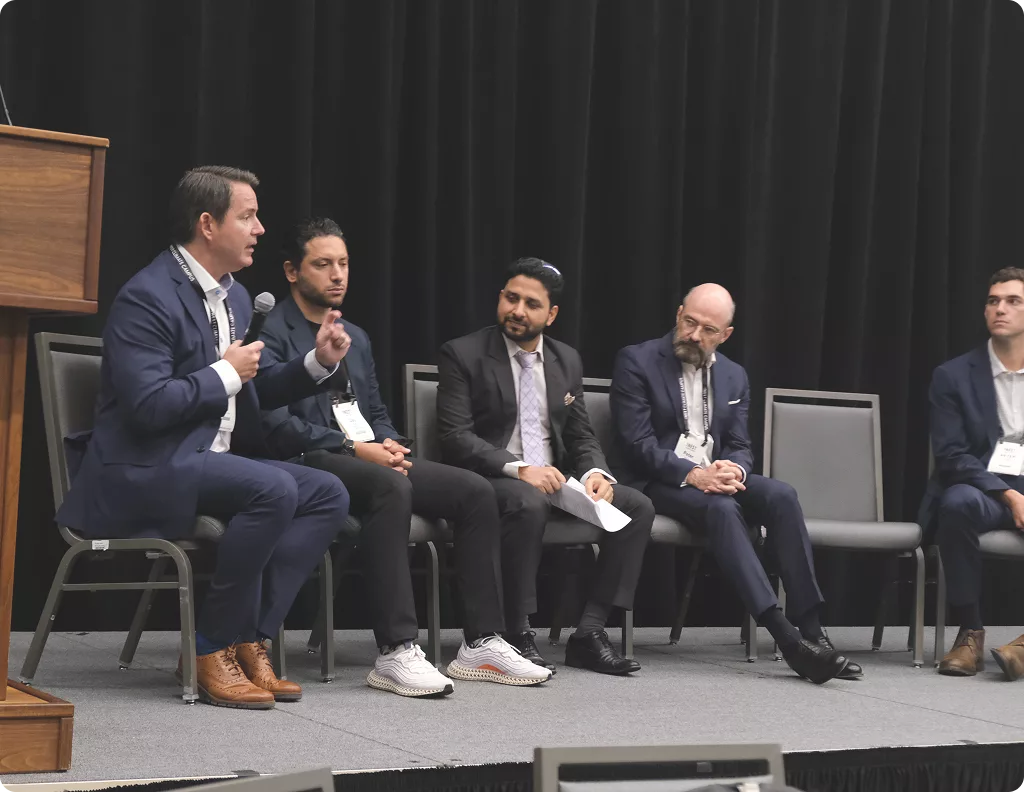
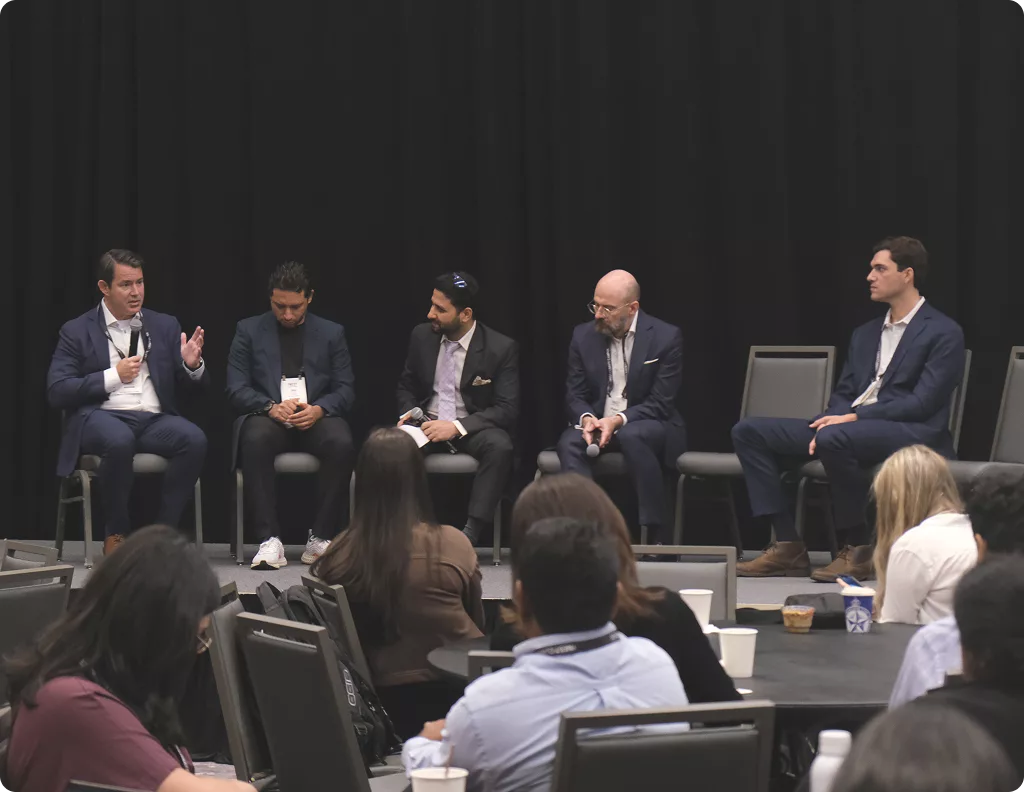
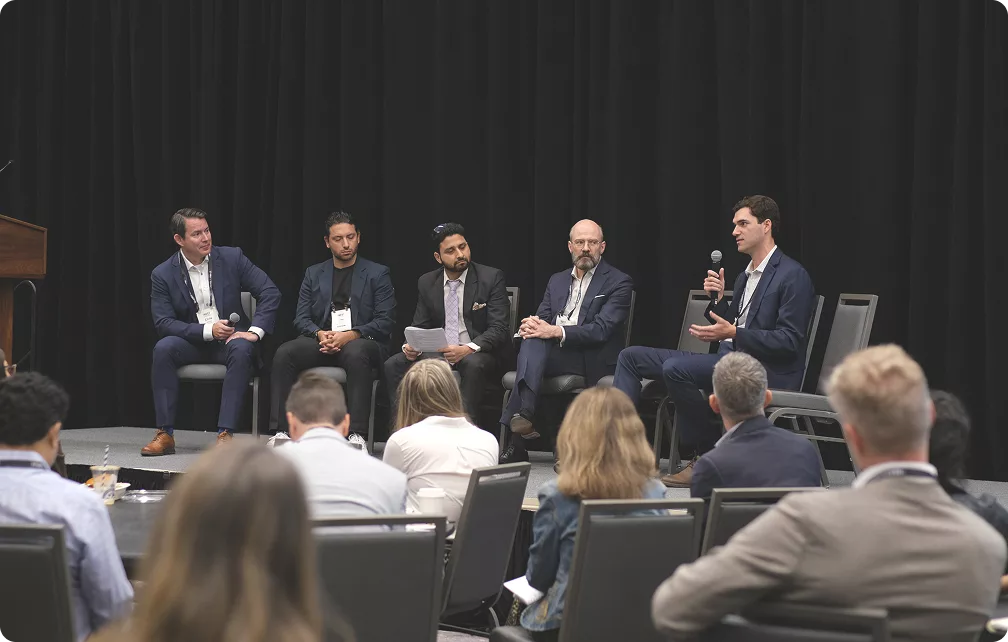
An environmental law expert highlighted this clearly during a recent panel: “Scope one and scope two are difficult but are typically manageable by companies. But where it really gets tricky is on scope three emissions. The amount of data that needs to be collected and analyzed is just massive. It’s not possible to do that manually. It’s not going to work with an Excel spreadsheet. There is the risk of inconsistency in your data collection, integrity issues. You’re not going to be able to do it without artificial intelligence. That’s just the fact.”
AI-powered carbon accounting platforms enable:

Automated data collection from suppliers, invoices, and financial systems

Real-time validation flagging inconsistencies before reports are submitted

Standardized calculations using GHG Protocol methodologies

Scalability to handle thousands of suppliers and millions of transactions

Auditability through documented data lineage and methodology

Penalties, Enforcement & the Real Cost of Non-Compliance
Maximum Penalties:

SB 253 (GHG Emissions Reporting): Up to $500,000 per violation (per reporting period)v

SB 261 (Climate Risk Reporting): Up to $50,000 per violation (per reporting period)

However, CARB has signaled that leniency will be granted until 2026 for organizations demonstrating good-faith compliance efforts. This grace period expires in 2026, after which enforcement becomes stricter.

California's Climate Corporate picture
Beyond Financial Penalties
The pecuniary penalties are only the tip of the iceberg:

Reputational Risk

Non-compliance becomes public. CARB publishes non-filer lists and enforcement actions. Investors, customers, and regulators all see that your company failed to comply.​

License & Operational Risk
While SB 253 itself doesn’t revoke licenses, regulatory non-compliance signals broader governance failures that can trigger scrutiny from other agencies.​
Auditor Liability & Restated Financials
As SB 253 reporting becomes embedded in financial statements (not just standalone ESG reports), any errors discovered later could trigger restatements, potentially tanking share prices.​

Investor & Customer Pressure

Institutional investors increasingly use climate disclosure compliance as a governance factor. Major customers may require SB 253 compliance as a condition of doing business.​

Best Practices for SB 253 Compliance

Action Items:

Confirm your SB 253 coverage (revenue, California nexus)

Conduct an emissions data audit (what do you have? what's missing?)

Evaluate GHG accounting platforms and implementation timelines

Centralize Data Collection
Implement a GHG accounting platform that integrates with:
Establish Supplier Engagement Programs
California's Climate Corporate picture

Hire or Train Your Team

You’ll need staff proficient in:

Small teams (4 people managing $150+ billion in inventory, for example) are already overwhelmed. Budget for additional headcount or consulting support.​

Step 3: Engage Your Finance Team (This Is Critical)

A key insight from sustainability professionals: This is now a financial reporting issue, not just an ESG issue.​
Your Chief Financial Officer (CFO) and accounting team must be involved because:

SB 253 data will eventually live in your 10-K and 10-Q filings, not just standalone ESG reports​

Financial teams bring rigor around auditability, traceability, and consistency, qualities that ESG teams, while well-intentioned, may not prioritize initially​

Restatements due to emissions errors could harm stock prices, triggering shareholder liability​

Action: Bring your Chief Accounting Officer (CAO), Controller, and audit committee into compliance planning now.

Step 4: Secure Third-Party Assurance Early

Limited assurance for Scope 1 & 2 (due in 2026) requires independent verification. But qualified GHG auditors are scarce and getting busier.​
Book your assurance provider now, before 2025, if possible. Waiting until late 2025 risks delays and higher costs.​
When evaluating assurance providers:

Confirm they have GHG Protocol expertise

Verify experience with your industry

Discuss their approach to Scope 3 estimation (given the 2027 safe harbor)

Step 5: Plan for Scope 3 Methodically

Scope 3 isn’t everything at once. Under SB 253, CARB will set a phased timeline for different categories. Start with the highest-impact areas:​

Prioritize These Scope 3 Categories:

Leave the most complex categories (end-of-life product use, supplier chain Tier 2+) for later refinement.

Step 6: Align SB 253 with Other Regulations

Many organizations already report emissions under:

CSRD (EU Corporate Sustainability Reporting Directive) - XBRL-tagged data highly material

SEC Climate Disclosure Rules

CDP Climate Questionnaire

Harmonize these efforts. Build a single emissions measurement system that feeds multiple regulatory reports. Avoid building separate data silos for each regulation.​

Emerging Opportunities: Beyond Compliance

Turning Compliance into Competitive Advantage
Compliance-driven reporting often feels like a burden. But environmental law experts argue it’s a strategic opportunity:​
Carbon Reduction Insights
Measuring Scope 3 emissions reveals which suppliers, products, and processes drive the largest footprint. This intelligence enables targeted reduction strategies. Companies that use emissions data as a business intelligence tool, not just a compliance checkbox, unlock real value.​
Carbon Removal & Offsetting
If your analysis identifies hard-to-avoid emissions (e.g., agriculture, manufacturing), carbon dioxide removal (CDR) technologies offer solutions. Purchasing verified carbon credits can offset residual emissions, transforming Scope 3 measurement into a business development opportunity with CDR suppliers.​

Procurement Advantages

Supply chain teams (who historically cared only about cost and delivery) now see carbon as a third metric. Companies that help suppliers reduce emissions can improve vendor relationships, secure better pricing, and build resilience in their supply chains.​

Best Practices for SB 253 Compliance

Action Items:
California's Climate Corporate picture